Building Bones with Exercise
Bone health doesn’t just change by chance. It changes through efficient loading, consistency and guidance.
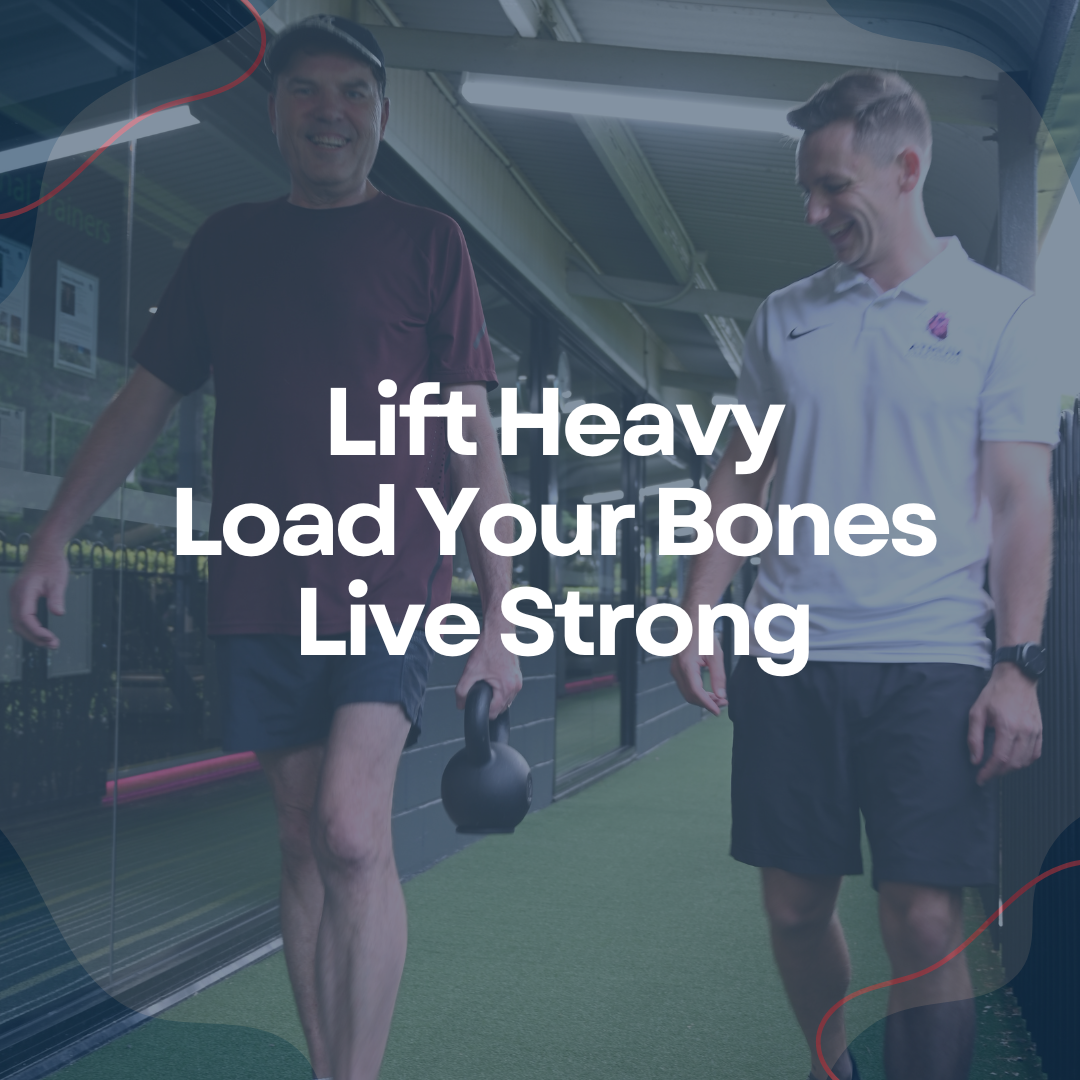
Lift heavy. Load your bones. Live strong.
1 in 2 women and 1 in 5 men over the age of 50 will break a bone due to osteoporosis. Inactivity and poor lifestyle choices, coupled with a drop in estrogen post-menopause for women, are key contributors to a reduction in bone density.
Around 25% of osteoporosis-related fractures occur at the hip, and for older adults, 1 in 4 will die within a year following a hip fracture and surgery.
But it’s not all bad news…
Bones adapt to stress. Use them, and they get stronger.
“1 in 2 women and 1 in 5 men over the age of 50 will break a bone due to osteoporosis.”
Weight training has been shown to be an effective strategy for building a strong skeleton. With some added benefits like increasing muscle size, strength, and capacity, it’s never too late to start.
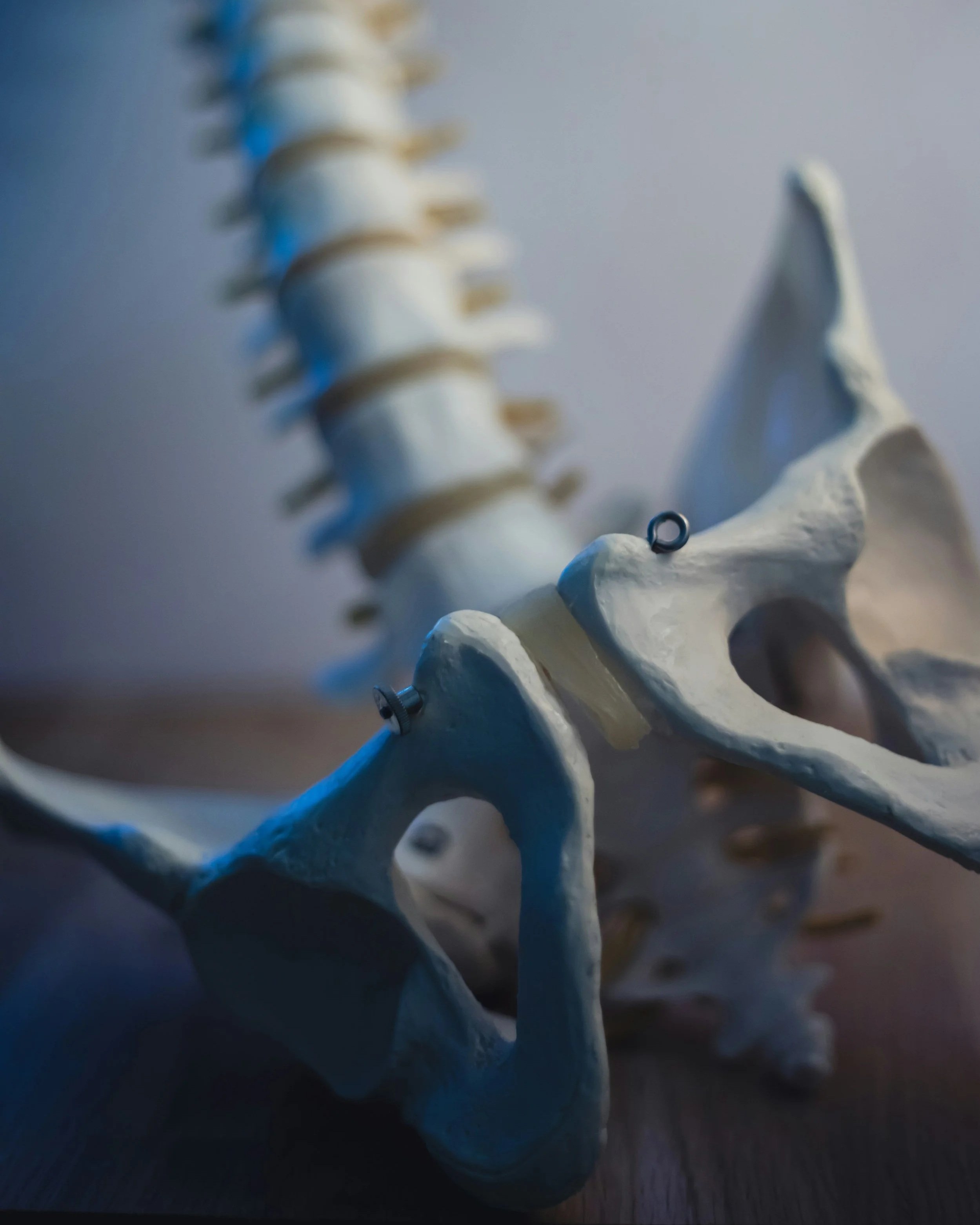
When muscles pull on bones during movements like squats and push-ups, it activates our osteoblasts (bone-building cells) to form new bone. With consistent strength training and progressive overload, we can shift the trend and increase bone density over time.
So, how do we quickly measure your risk of osteoporosis?
Low grip strength scores are associated with low bone mineral density at the hip and spine and increased risk of fracture.
Above average grip strength is a powerhouse biomarker. Chronic disease prevention, increased strength, decreased falls risk, improved physical function, and improved mental health are just some of the correlations. This is why grip strength is often one of the first assessments we look at.
But bone health doesn’t just change by chance. It changes through efficient loading, consistency, and guidance. So, if you’re unsure where to start or want a more tailored exercise plan, contact one of our Exercise Physiologists at Atrium.
Lift heavy. Load your bones. Live strong.
References:
Berstock, J. R., Beswick, A. D., Lenguerrand, E., Whitehouse, M. R., & Blom, A. W. (2014). Mortality after total hip replacement surgery. Bone & Joint Research, 3(6), 175–182. https://doi.org/10.1302/2046-3758.36.2000239
Coughlan, T., & Dockery, F. (2014). Osteoporosis and fracture risk in older people. Clinical Medicine, 14(2), 187–191. https://doi.org/10.7861/clinmedicine.14-2-187
Dixon, W. G., Lunt, M., Pye, S. R., Reeve, J., Felsenberg, D., Silman, A. J., & O’Neill, T. W. (2005). Low grip strength is associated with bone mineral density and vertebral fracture in women. Rheumatology, 44(5), 642–646. https://doi.org/10.1093/rheumatology/keh569
Ge, Y., Chen, Y., Liu, G., Zhu, S., Li, B., Tian, M., Zhang, J., Wu, X., & Yang, M. (2023). Association Between Hip Bone Mineral Density and Mortality Risk After Hip Fracture: A Prospective Cohort Study. Calcified Tissue International, 113(3), 295–303. https://doi.org/10.1007/s00223-023-01109-9