
Your Knee Isn’t Bone on Bone
If you’ve ever been told you have “bone on bone” arthritis, chances are you weren’t given the full picture.
It’s a chilling phrase. It sticks. And it often leads to thoughts like, “I should stop moving,” or “Exercise will make things worse.”
But it couldn’t be further from the truth.
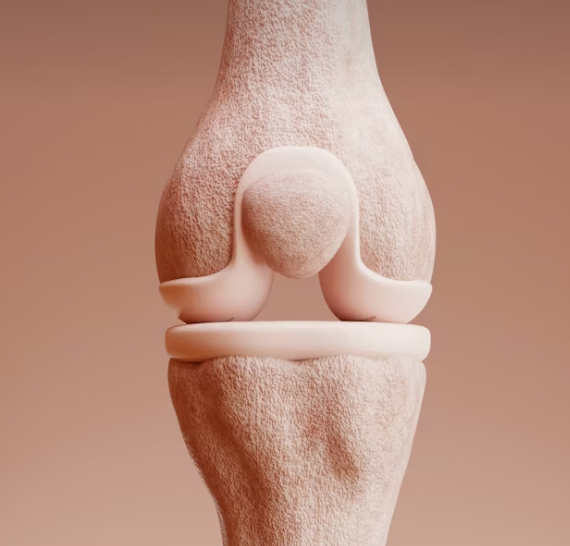
Cartilage is a smooth, shock absorbing tissue that cushions the ends of our bones. In osteoarthritis, this cartilage can become thinner and can be less resilient over time.
However, pain does not always equal damage. In fact, many people with significant structural changes on scans experience minimal pain. While others with mild changes may have more symptoms. It’s important to understand that the relationship between pain and structure is complex.
Unlike our muscles, joints do not have a direct blood supply. Instead, our cartilage receives nutrients through movement.
When you move a joint, you create a pumping effect that circulates our synovial fluid, bathing the joint with a slippery glycoprotein called lubricin. Which as it sounds, is like nature’s WD-40.
So, marvel in the movement. Go out, move it and lube it!
Research consistently shows that exercise is one of the most effective treatments for osteoarthritis. Regular, progressive strength and aerobic exercise can reduce pain, improve function and help day-to-day activities.
If you’re interested in knowing more about how you can get moving, reach out to one of our Exercise Physiologists today.
References:
Roggio, F., Petrigna, L., Trovato, B., Di Rosa, M., & Musumeci, G. (2023). The Role of Lubricin, Irisin and Exercise in the Prevention and Treatment of Osteoarthritis. International Journal of Molecular Sciences, 24(6), 5126. https://doi.org/10.3390/ijms24065126
Yan, L., Li, D., Xing, D., Fan, Z., Du, G., Jiu, J., & Estill, J. (2025). Comparative efficacy and safety of exercise modalities in knee osteoarthritis: Systematic review and network meta-analysis. BMJ 2025;391:e085242. https://doi.org/10.1136/bmj-2025-085242
