The Need for Speed: Power Is The Missing Piece In Healthy Aging
It’s common knowledge that staying strong is important as we age. But there’s another physical quality that often gets overlooked, and it declines faster than strength.
Power is the ability to produce force quickly. Think about:
· Catching yourself if you trip
· Stepping onto a curb
· Getting out of a chair
These movements do require strength, but more importantly, they require you to use that strength rapidly.
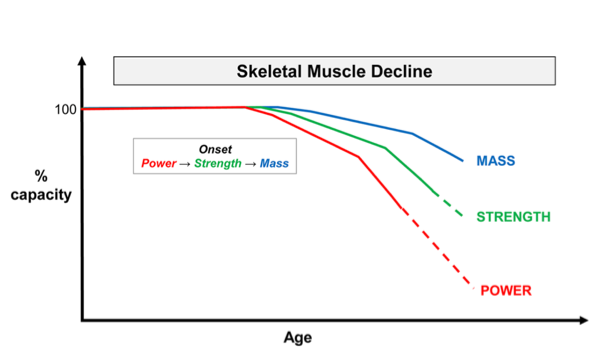
Interestingly, aging doesn’t show up first as looking frail, we often lose our ability well before we look it. Research shows that muscle power declines ~3 times faster than muscle size, making it one of the earliest changes in physical function.
At Atrium, we use VALD dynamometry technology to move beyond guesswork and measure what matters, muscle function. Instead of only looking at how strong you are, we can objectively measure ‘rate of force development’ or how quickly you can produce your maximum force.
This allows us to identify changes in power and strength that may not yet be obvious and tailor exercise programs to improve confidence and independence.
If you’re interested in testing your power. Get it touch with our Exercise Physiologists.
References:
Freitas, S. R., Cruz-Montecinos, C., Ratel, S., & Pinto, R. S. (2024). Powerpenia Should be Considered a Biomarker of Healthy Aging. Sports Medicine - Open, 10(1). https://doi.org/10.1186/s40798-024-00689-6
Keller, K., & Engelhardt, M. (2019). Strength and muscle mass loss with aging process. Age and strength loss. Muscle Ligaments and Tendons Journal, 03(04), 346. https://doi.org/10.32098/mltj.04.2013.17
Trombetti, A., Reid, K. F., Hars, M., Herrmann, F. R., Pasha, E., Phillips, E. M., & Fielding, R. A. (2015). Age-associated declines in muscle mass, strength, power, and physical performance: impact on fear of falling and quality of life. Osteoporosis International, 27(2), 463–471. https://doi.org/10.1007/s00198-015-3236-5
