
The Off Switch: Why Rest Is a Trainable Skill
It's common knowledge that exercise is good for the body. But for those dealing with anxiety, stress or low mood, the nervous system itself is often the missing piece of the puzzle.
The autonomic nervous system runs on two branches: sympathetic ("fight or flight") and parasympathetic ("rest and digest"). They're not opposing forces, they're two settings on the same dial, constantly adjusting. Contrary to its namesake, sympathetic drive isn't the enemy, rather, it's what gets you through a heavy set at the gym. The problem is when it doesn't switch off.
Think about:
Lying awake with a racing mind, unable to switch off.
Feeling wired but exhausted at the same time.
Low motivation, social withdrawal, and a body that's stuck in low gear instead.
These aren't just "stresses", they're a nervous system living in one column of the dial for too much of the day.
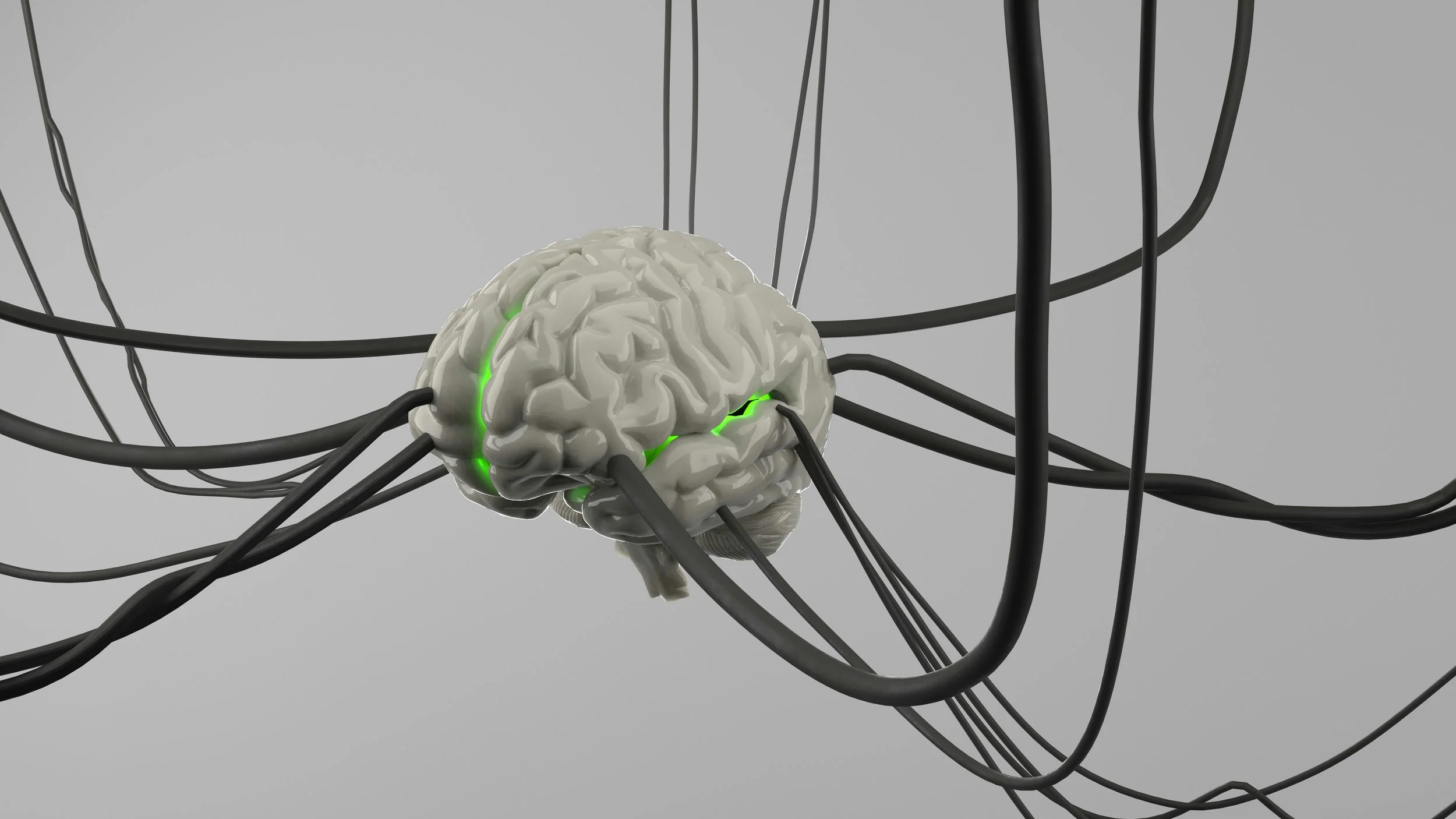
Chronic over-activation of this system runs through the brain-adrenal (HPA) axis. Sustained cortisol release from this pathway can dysregulate mood, sleep architecture and immune function. This is the physiological backdrop behind many anxious, stressed and low-mood presentations.
The encouraging part is that this system is trainable, and the evidence for how is more specific than "just move more." A 2026 meta-analysis found resistance training produced a substantially greater reduction in anxiety symptoms than aerobic exercise, making it a standalone intervention rather than just an add-on. Aerobic work, meanwhile, carries the strongest signal for depressive symptoms, particularly at moderate-to-vigorous intensity. Alongside these, practices like yoga Nidra (non-sleep deep rest) and simple breathwork provide a low-cost and accessible practice to actively down-regulate in the moment. Even 60 seconds of slow-exhale breathing can provide an almost immediate effect.
If you're noticing your body running "on" more than it switches "off," get in touch with our Exercise Physiologists. The right combination of exercise modalities can help retrain that balance.
References:
Balban, M.Y., et al. (2023). Brief structured respiration practices enhance mood and reduce physiological arousal. Cell Reports Medicine, 4(1), 100895.
Banyard, H., Edward, K.L., Garvey, L., et al. (2025). The effects of aerobic and resistance exercise on depression and anxiety: Systematic review with meta-analysis. International Journal of Mental Health Nursing, 34(3), e70054.
Cortese, S., Solmi, M., Gosling, C.J., et al. (2026). Systematic umbrella review and meta-meta-analysis: effectiveness of physical activity for depression and anxiety in children and adolescents. Journal of the American Academy of Child & Adolescent Psychiatry, 65(2), 143–145.
Ghai, S., Odyniec, P., & Ghai, I. (2026). Effects of yoga nidra on stress, anxiety and depression: a systematic review and meta-analysis. Annals of the New York Academy of Sciences.
Shaffer, F., & Ginsberg, J.P. (2017). An overview of heart rate variability metrics and norms. Frontiers in Public Health, 5, 258.
